
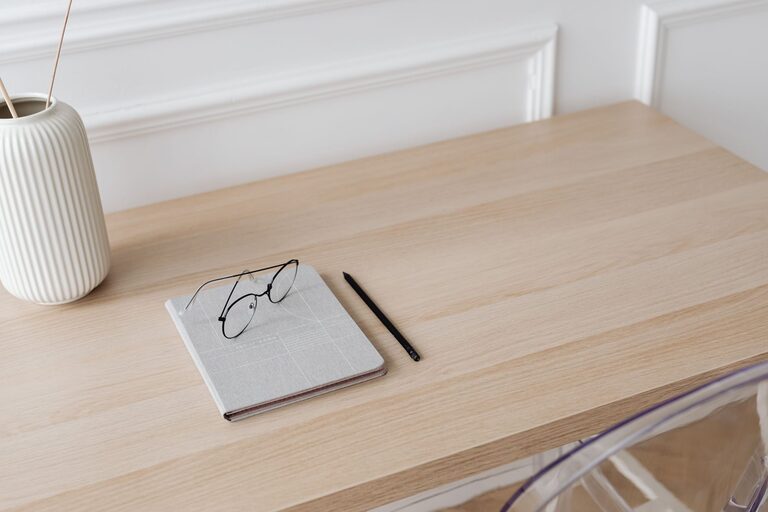
Creating a relaxing home workspace can significantly improve your focus, reduce stress, and make working from home more enjoyable. Whether you’re working full-time remotely or just need a quiet spot for occasional tasks, designing a calming environment can boost your productivity and well-being. Here’s a comprehensive guide to help you set up a relaxing home workspace.
Why a Relaxing Workspace Matters
Your workspace can affect your mood, energy, and efficiency. A cluttered, noisy, or uncomfortable area can cause frustration and distraction, while a thoughtfully designed space promotes calmness and clarity. When your environment feels inviting and organized, you’re more likely to stay motivated and complete your tasks efficiently.
Choosing the Right Location
Find a Quiet Spot
Look for a location in your home where distractions are minimal. Ideally, pick a room with a door or a corner that’s away from household traffic and noise sources. If space is limited, choose a spot where you can add noise-cancelling headphones or soundproofing elements.
Consider Natural Light
Natural light is known to boost mood and energy levels. Position your desk near a window if possible. Avoid glare on your computer screen by using blinds or curtains. If natural light isn’t an option, choose soft, warm artificial lighting to reduce eye strain.
Ergonomic Furniture and Layout
Comfortable Chair
Invest in a chair that supports good posture with adjustable height, lumbar support, and cushioning. Comfort is key to avoid back and neck pain during long working hours.
Desk Setup
Use a desk that fits your space and needs. Keep your computer monitor at eye level to prevent neck strain. Organize your keyboard and mouse so your arms are relaxed and wrists straight.
Declutter and Organize
A tidy workspace reduces distractions. Use drawers, shelves, or organizers to store supplies. Keep only essential items on your desk to maintain a clean look and feel.
Incorporating Calming Elements
Neutral Colors and Soft Textures
Choose soft, neutral colors for walls and furniture to create a calm atmosphere. Add comfortable textiles like a cozy rug, cushions, or a blanket to make your space inviting.
Greenery and Plants
Plants not only improve air quality but also add a touch of nature that’s calming and refreshing. Choose low-maintenance plants like succulents or spider plants for easy care.
Personal Touches
Include photos, artwork, or décor that inspire you but avoid cluttering the space. A few meaningful items can enhance comfort without overwhelming the area.
Managing Noise and Distractions
Sound Control
Use thick curtains, rugs, or acoustic panels to dampen noise. If your workspace is near a noisy area, consider white noise machines or background music to mask distractions.
Digital Detox
Turn off unnecessary notifications and use apps that block distracting websites during work hours. A focused digital environment complements your physical setup.
Lighting Tips for Relaxation and Productivity
Layer Your Lighting
Combine ambient (general) lighting with task lighting like a desk lamp. Adjustable lighting allows you to control brightness depending on the time of day or task at hand.
Avoid Harsh Fluorescents
Fluorescent lights can be harsh and tiring. Opt for LED bulbs with warm tones to create a softer, more natural feel that’s easier on the eyes.
Maintaining Your Workspace
Regular Cleaning
Dust and clutter can accumulate quickly. Schedule weekly cleaning and organizing sessions to keep your space fresh and inviting.
Reassess Your Setup
Periodically evaluate your workspace to see if it still meets your comfort and productivity needs. Small adjustments can make a big difference over time.
Additional Tips for a Relaxing Home Workspace
– Use Aromatherapy: Diffuse calming scents like lavender or eucalyptus to create a soothing atmosphere.
– Take Breaks: Set reminders to stretch or step away from your desk to reduce tension.
– Stay Hydrated: Keep water nearby to stay refreshed throughout your workday.
– Incorporate Movement: Stand up or use a sit-stand desk to vary your posture and reduce stiffness.
—
Creating a relaxing home workspace is about finding a balance between comfort, functionality, and personal touches that make your environment pleasant. By implementing these practical ideas, you’ll create a space that supports both your well-being and productivity. Start small, and enjoy the benefits of working in a calm, inspiring environment right in your home!
About the Author