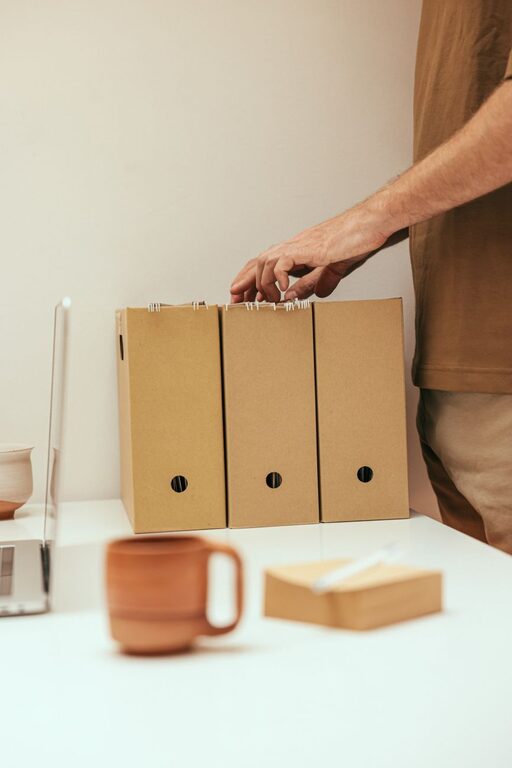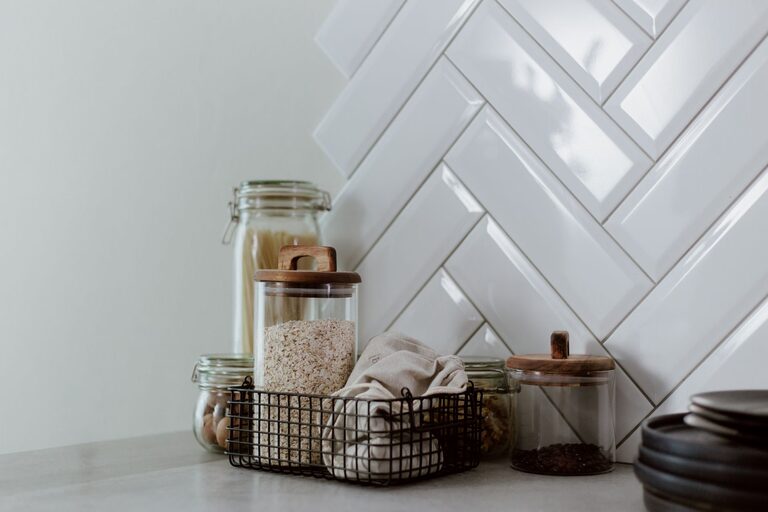
Storing seasonal clothes efficiently is a smart way to free up closet space and keep your favorite items in great condition until you need them again. Whether you’re packing away winter sweaters or summer dresses, organizing your wardrobe with care can save time, reduce clutter, and extend the life of your clothes. In this guide, we’ll walk you through simple steps and practical tips to help you store your seasonal clothes with ease and confidence.
Why Efficient Storage Matters
When clothes aren’t stored properly, they can get wrinkled, stained, or even damaged by pests and moisture. Efficient storage:
– Maximizes space, giving you room for the clothes you wear now
– Protects garments from dust, insects, and mildew
– Makes it easy to find and access your clothes when the season changes
– Helps maintain the quality and appearance of your clothing
Preparing Clothes for Storage
Before you tuck away seasonal items, it’s important to prepare them properly.
Clean Your Clothes Thoroughly
Wash or dry clean your clothes before storing them. Dirt, oils, and stains can set over time and attract pests.
Repair Any Damage
Check for loose buttons, broken zippers, or small tears and fix them to prevent further damage during storage.
Dry Completely
Make sure clothes are completely dry to avoid mold and mildew growth. Air dry or use a dryer according to fabric instructions.
Choosing the Right Storage Solutions
Selecting the right containers and spaces can make a big difference.
Use Breathable Containers
Opt for breathable fabric storage bags or cotton bins to allow air circulation and prevent musty odors. Avoid plastic bags as they trap moisture.
Clear Plastic Bins for Protection
If you want to protect clothes from pests and dust, sturdy clear plastic bins with tight lids work well. Just add moisture absorbers or silica packets to control humidity.
Vacuum-Seal Bags for Bulky Items
Vacuum-sealed bags save space by compressing clothes like bulky coats and blankets. However, avoid long-term storage in these bags as some fabrics need to breathe.
Label Everything
Label your storage containers clearly. This helps you find what you need without opening every bin.
Organizing Seasonal Clothes by Category
Sorting clothes by type or use helps keep things organized.
– Winter clothes: sweaters, coats, thermal wear, scarves, gloves
– Summer clothes: dresses, shorts, tank tops, swimwear
– Off-season accessories: hats, boots, belts
Store frequently used items in easier-to-reach containers. Less used items can go in higher or less accessible spots.
Best Places to Store Seasonal Clothes
Where you store your clothes matters.
Closets and Wardrobes
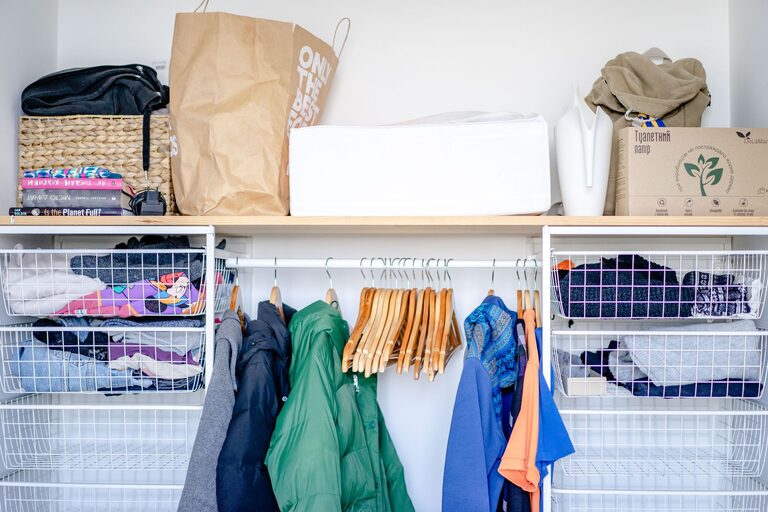
Use upper shelves or empty hangers for off-season clothes. Consider adding hanging organizers or storage boxes.
Under-Bed Storage
Flat storage containers designed for under the bed are great for items you want to keep dust-free yet out of sight.
Spare Rooms or Attics
Avoid storing delicate clothes in damp or excessively hot areas like attics. Basements can be okay if they’re dry and temperature-controlled.
Tips for Maintaining Stored Clothes
Long-term storage requires a bit of care to keep clothes looking fresh.
– Use cedar blocks or lavender sachets to naturally repel moths and add a pleasant scent.
– Check on stored clothes every few months to ensure no moisture or pests have invaded.
– Refold items periodically to prevent permanent creases.
– Air out clothes before use by letting them hang in fresh air for a few hours.
Conclusion
Efficiently storing your seasonal clothes is all about preparation, choosing the right storage materials, and organizing thoughtfully. By following these tips, you’ll enjoy a clutter-free closet and keep your clothes in excellent shape throughout the year. With space cleared and items well cared for, getting dressed for each season becomes a simple, stress-free pleasure.
About the Author